

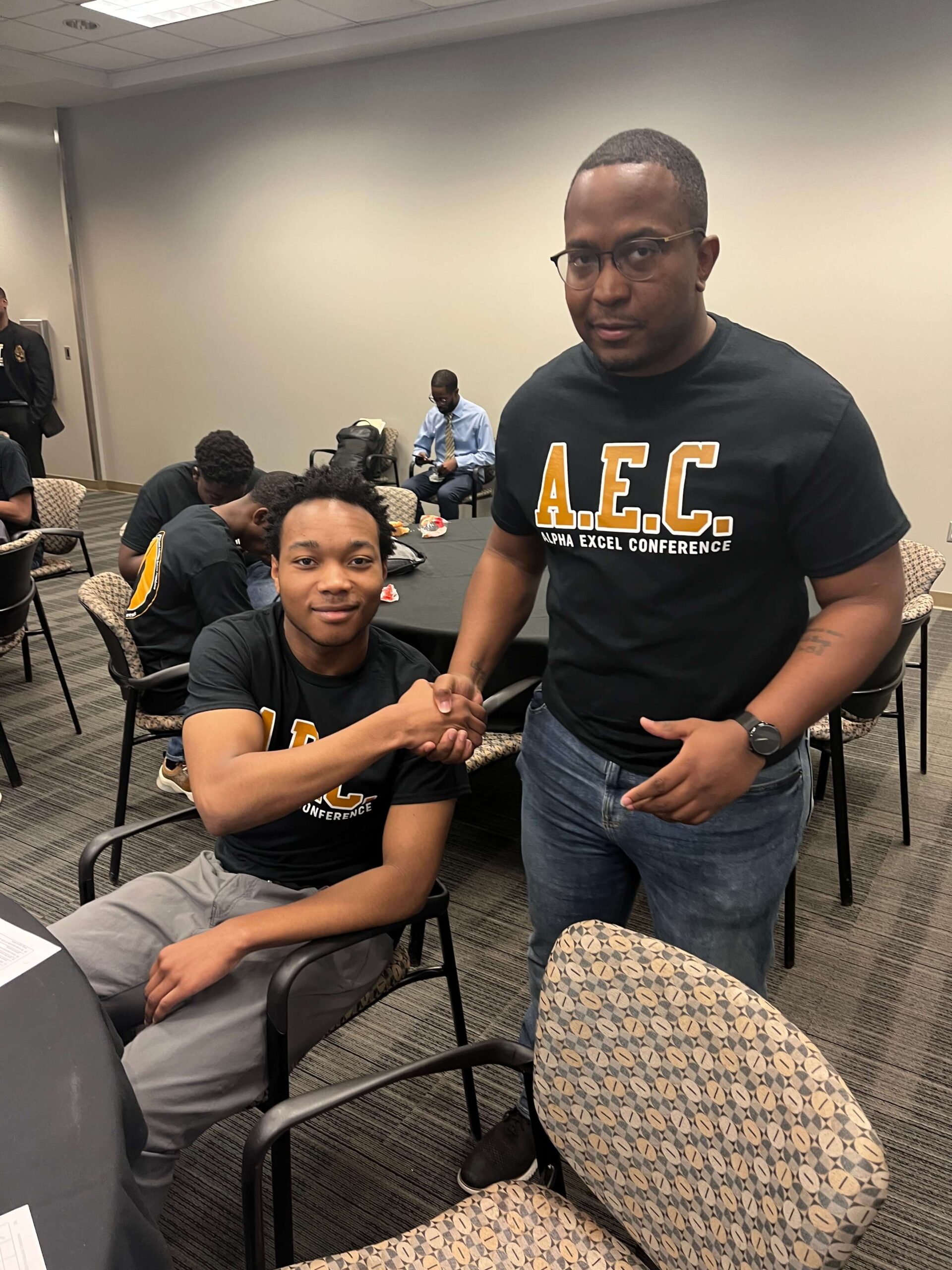
In a time marked by mental health crises, learning loss, and widening opportunity gaps, one thing is clear: mentoring is no longer optional—it’s essential. Across the country, a new generation of youth mentoring models is emerging, and they’re changing the way we think about education, equity, and emotional support.
But these aren’t the mentoring programs of the past. Today’s most impactful models are trauma-informed, data-driven, culturally responsive, and community-embedded. They’re rooted in best practices, grounded in real relationships, and designed to create systems-level change.
The Need Has Never Been Greater
Millions of young people are navigating the aftershocks of isolation, anxiety, poverty, and educational disruption. Many are still waiting—not for a program, but for a person. A consistent adult presence. A relationship that helps them feel seen, supported, and safe.
We know from research that social connectedness is one of the most powerful predictors of success, even more than economic background or test scores. Youth who have mentors are more likely to stay in school, avoid risky behavior, and build a sense of identity and purpose. Simply put: mentoring works.
What 21st-Century Mentoring Looks Like
The most innovative mentoring models today go beyond traditional pairings. They include:
-
Trauma-informed practices that understand and respond to adverse childhood experiences.
-
Multiple formats of mentoring, including one-on-one, peer-to-peer, group mentoring, and school-based relationships.
-
Targeted recruitment strategies that focus on reaching underrepresented groups, especially young men of color.
-
Ongoing mentor training in areas like social-emotional development, equity, and cultural competency.
-
Integrated support systems that align with schools and families.
This isn’t about creating one more afterschool activity. It’s about building ecosystems of care and growth for youth who deserve more than just survival—they deserve momentum.
Measuring What Matters
Today’s mentorship programs are also embracing accountability and evaluation. Through outcome tracking tools, relationship strength surveys, and protective risk assessments, programs are measuring:
-
Academic engagement
-
Social-emotional growth
-
Risk behavior reduction
-
Mentor-mentee relationship quality
This shift toward data-informed mentoring ensures programs don’t just feel good—they do good. And they can prove it.
A Model Worth Expanding
At the heart of this approach is a bold idea: mentoring is public infrastructure. It deserves the same level of strategic planning, funding, and integration as any educational or public health initiative.
By embedding mentoring into schools, communities, and support systems, we create a sustainable path toward equity. We ensure that youth—especially those navigating trauma and systemic barriers—have access to relationships that change the trajectory of their lives.
What Comes Next
If we want to prepare the next generation for what’s ahead, we must offer more than curricula and credentials. We must offer connection. Mentoring isn’t just about better outcomes for students—it’s about stronger communities, safer schools, and a more just future.
This new wave of mentoring models reminds us that we are, indeed, bigger together. And our young people are too important to leave waiting.