

In today’s rapidly evolving world, preparing young people for success is about more than academic achievement—it’s about equipping them with the skills to lead, adapt, and thrive in uncertain environments. The 21st century demands a new kind of preparation—one that starts early, centers youth voice, and bridges the gap between learning and labor.
The future of our communities depends on how well we prepare young people now. And that preparation must go beyond textbooks and test scores.
What Do 21st Century Skills Look Like?
The most in-demand skills aren’t always technical. Today’s employers, community leaders, and youth-serving professionals are aligned on a powerful truth: social-emotional and leadership skills are just as essential as academic knowledge.
These include:
-
Communication: Speaking, writing, and listening in ways that build understanding and influence
-
Problem-Solving: Thinking critically, creatively, and collaboratively to find solutions
-
Adaptability: Navigating change with confidence and resilience
-
Self-Management: Time, energy, and emotion regulation that fosters independence
-
Civic Awareness: Understanding systems, rights, and responsibilities to lead change
These skills are foundational—not optional.
Why Youth Leadership Matters in Workforce Development
Youth leadership is not a “nice to have.” It is a strategy for equity and sustainability. When young people learn to lead, they also learn to contribute. They build confidence, take ownership of their futures, and become more engaged in their communities.
Workforce development programs that integrate leadership development don’t just create workers—they create change agents. These are young people who are ready to solve real problems, lead diverse teams, and build the future they want to see.
The Opportunity: Systems Must Align
The BMOST report calls on us to stop working in silos. Schools, nonprofits, businesses, and government entities must work together to provide:
-
Early exposure to career pathways
-
Paid internships and work-based learning
-
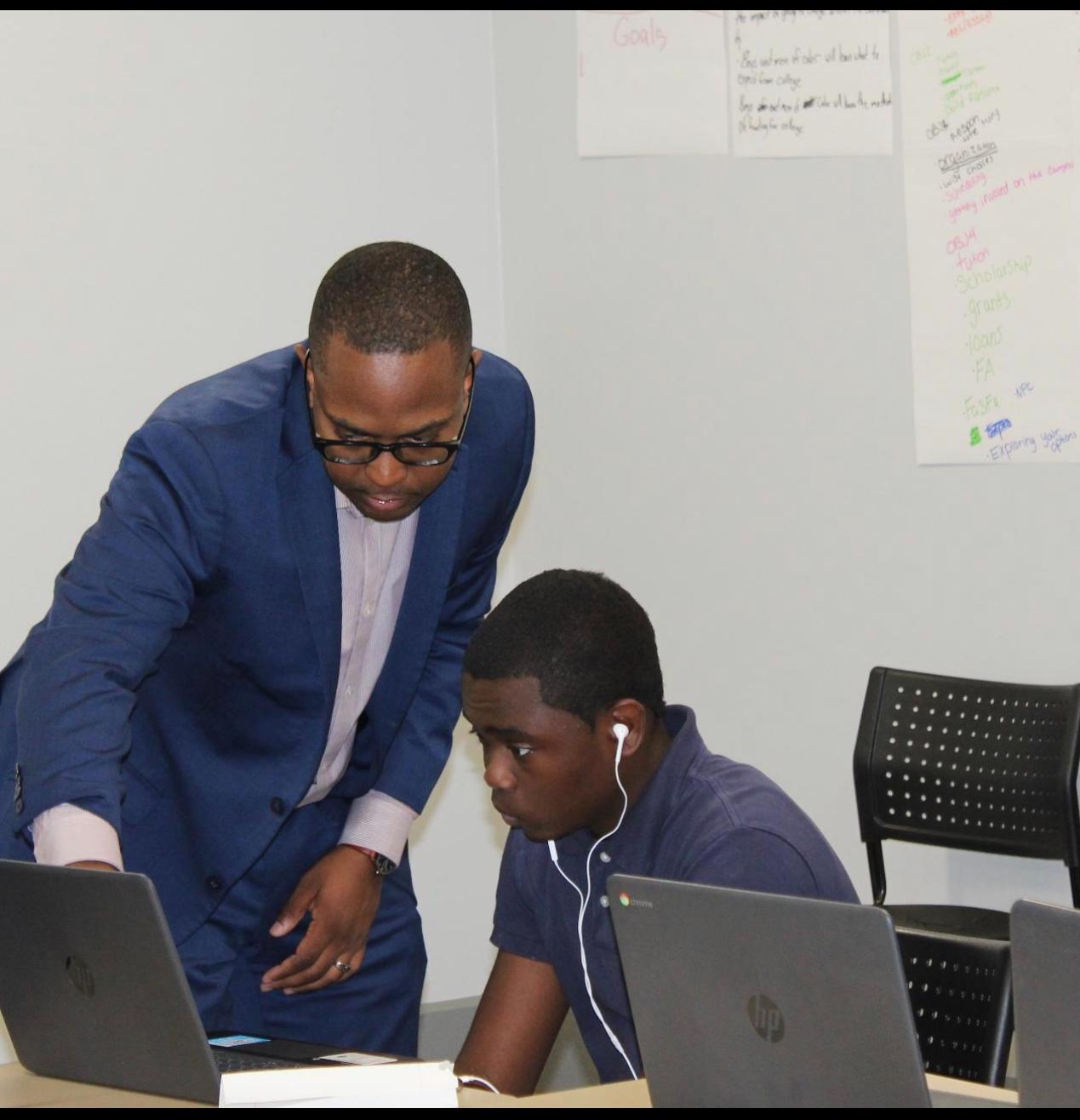
Mentorship programs that mirror students’ lived experiences
-
Out-of-school time programs focused on leadership, STEM, arts, and emotional growth
-
Policy support that prioritizes youth voice and equity
A Call to Action
If we want to see a strong, inclusive, and future-ready workforce, we have to start with youth. Not just some youth. All youth.
We must invest in systems that recognize potential early, develop it consistently, and connect it meaningfully to the workforce of tomorrow. That’s how we build not just careers—but communities.
Let’s not wait for young people to become adults before we call them leaders. Let’s build leadership into the very fabric of how we serve them.